
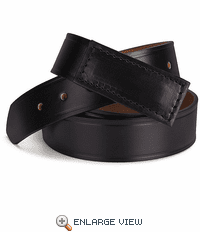
A scratchless belt is built to remove or reduce exposed metal that can contact a vehicle. Traditional belts often use a metal buckle, metal tip, or rivets that can scrape painted panels, door sills, dashboards, and console trim when a technician leans, twists, or reaches into a work area. Scratchless designs address that risk with non-metal buckles, low-profile closures, covered hardware, or belt constructions that keep hard edges away from finished surfaces.
That matters most in jobs where the wearer is constantly close to customer vehicles. Dealership technicians, detail staff, service advisors moving cars, and mechanics handling interior diagnostics all work in positions where waist-level contact happens fast. A belt that minimizes exposed hardware is a simple control measure.
There is a trade-off, though. Not every belt marketed as scratch resistant is equally durable or equally supportive. Some prioritize soft materials but lose shape under tool weight. Others hold up well but feel bulky. The better choice depends on what the mechanic carries and how the workday is structured.
