A shirt marked FR is not automatically the right shirt for your crew. In most operations, the real question is how to choose FR clothing that matches the hazard, meets site requirements, holds up to daily wear, and fits the budget well enough to support reorders.
That decision affects more than comfort. The wrong garment can create compliance issues, wear out too quickly, or leave workers layering in ways that reduce protection. The right one supports safety programs, purchasing consistency, and day-to-day productivity.
Start with the hazard, not the garment
The fastest way to make a bad FR purchase is to shop by appearance first. Start with the actual exposure. FR clothing is used across utilities, electrical work, oil and gas, manufacturing, and service operations, but the hazard profile is not the same in every environment.
For some teams, the main concern is flash fire exposure. For others, it is electric arc exposure. In some operations, workers may face both, along with secondary requirements like high visibility, weather protection, or chemical splash considerations. That is why one crew may need lightweight FR shirts and pants for indoor plant work, while another needs insulated FR outerwear for field service.
Before you compare brands or styles, confirm the hazard assessment, the applicable standard, and any customer or site-specific rules. If your company already has PPE requirements in place, use those as the baseline. If not, involve your safety lead before purchase. Buying first and sorting out compliance later usually costs more.
How to choose FR clothing by required protection level
Once the hazard is clear, look at the protection level the garment provides. For arc flash applications, this usually means reviewing the arc rating and making sure it aligns with the exposure level for the task. A higher rating is not always better if it creates unnecessary heat stress or drives up cost without matching the work being performed.
For flash fire environments, verify that the garment is designed and labeled for that use. Not every FR item is intended for every hazard type, and not every treated or inherent fabric performs the same way in real working conditions.
This is where purchasing teams need to avoid shortcuts. A garment that worked in one department may not be suitable for another. Even within the same facility, maintenance staff, operators, and contractors may require different garment types based on the tasks they perform.
Know the standards your site follows
Most buyers are not looking for theory. They want to know whether the garment meets the standard their site, customer, or insurer expects. Product labeling and specifications matter here. Review the compliance information carefully and make sure the documentation lines up with your internal requirements.
If you outfit multiple locations, standardize where possible, but do not force one spec on every role unless the hazards are truly the same. Uniformity helps purchasing, but only when it does not create a mismatch in protection.
Fabric choice affects wear life, comfort, and replacement cost
When buyers ask how to choose FR clothing, fabric is usually where the trade-offs begin. The right fabric depends on climate, work intensity, laundering conditions, and how long the garment needs to stay in service.
Lightweight fabrics can improve comfort in hot environments and may help with worker acceptance. That matters because PPE only works when people keep it on correctly. The trade-off is that lighter garments may not deliver the same feel, structure, or wear life as heavier options in abrasive jobs.
Heavier fabrics can offer durability and may work well in welding, fabrication, or rough industrial settings, but they can also increase heat load. In hot regions or indoor facilities with poor airflow, that can become a practical problem fast.
You will also need to consider treated versus inherent FR fabrics. Treated fabrics are often cost-effective and widely used, while inherent FR fabrics are built with flame-resistant properties at the fiber level. Neither is automatically the right answer for every program. The better choice depends on budget, wash cycle expectations, comfort goals, and how demanding the work environment is.
Fit matters more than many buyers expect
FR clothing should protect without getting in the way of the job. If the fit is too tight, it can restrict movement and reduce layering flexibility. If it is too loose, it can snag on equipment, wear unevenly, or create worker complaints that lead to poor compliance.
That is especially relevant when outfitting mixed teams across body types, job functions, and seasonal conditions. A standard shirt and pant program may work for some operations, but others need options such as coveralls, women’s sizing, extended sizes, or tall sizes to keep the program usable across the workforce.
Workers also need enough room to move, bend, climb, and layer appropriately. In colder conditions, FR base layers and outerwear may be part of the system. If the core uniform is too trim, employees may improvise with non-FR layers, which can create a safety issue.
Think in systems, not single garments
A lot of FR purchasing problems happen because garments are selected one at a time. In practice, crews wear systems: shirt, pant, coverall, hoodie, jacket, vest, rainwear, and sometimes high-visibility components. Those pieces need to work together.
If your team moves between indoor and outdoor conditions, day and night shifts, or hot work and driving, build a program that covers those transitions. The goal is not just to buy an FR shirt. It is to equip workers with a practical set of options that keeps them protected throughout the shift.
Match the garment style to the work
The right FR category depends on how the job is performed. For plant workers and technicians, FR shirts and pants often provide flexibility and easier replacement. For dirty or high-contact environments, coveralls can simplify compliance and help protect underlying clothing. For field crews, FR outerwear may be just as important as the base uniform.
Pockets, closures, reinforced areas, visibility features, and ease of movement all matter. A utility worker, refinery operator, mechanic, and electrical contractor may all need FR apparel, but they do not need the same pocket layout or outerwear weight.
This is where product selection should stay practical. Choose features that support the work, not extras that look good on paper but add cost without improving performance. If a crew uses tools constantly, storage matters. If they work around moving equipment, simpler designs may be better.
Laundering and garment care are part of the buying decision
An FR program does not end at checkout. Garment life depends heavily on laundering practices, soil load, and how often items are worn. If your operation uses an industrial laundry service, confirm that the products you buy are appropriate for that process. If workers wash garments at home, care instructions become even more important.
This is another reason the cheapest option can be expensive over time. If a lower-cost garment loses appearance quickly, shrinks too much, or requires frequent replacement, your delivered cost over a year may be worse than a better-built item from the start.
For larger organizations, it helps to set expectations around wear testing before rolling out a full program. A short trial with actual users can reveal problems with fit, durability, or comfort before you commit to a broad purchase.
Brand consistency and reordering should not be an afterthought
For business buyers, FR purchasing is rarely one-time. New hires, replacement orders, seasonal changes, and contract growth all create repeat demand. That means availability and reorder consistency matter almost as much as the first purchase.
Established workwear brands are often preferred for a reason. They usually offer better continuity in sizing, product specs, and category depth. That can make it easier to standardize across departments and avoid constant substitutions.
If you plan to add logos, name embroidery, or emblems, confirm placement and compatibility before you finalize the program. Customization can improve team presentation, but it should be handled in a way that does not interfere with compliance or garment performance.
How to choose FR clothing without overspending
Cost control matters, especially when outfitting multiple employees. The best approach is to compare value across the full program, not just the unit price of one shirt or one pair of pants.
Look at wear life, replacement frequency, comfort, brand reliability, and whether the supplier can support repeat orders across categories. It is usually more efficient to source from a supplier that understands industrial apparel requirements and can support branded uniforms, quotes, and consistent product access. For many buyers, that is where a specialized source such as American Work Apparel fits the process.
A lower upfront price can still be the right call if the job is light-duty, turnover is high, or the garments are used for limited tasks. But for crews working full shifts in demanding environments, durability and compliance usually carry more weight than the lowest starting number.
The best FR purchase is the one your workers will wear correctly, your safety team can approve, and your purchasing team can reorder without starting over every quarter. If you get those three things right, the rest of the program becomes much easier to manage.
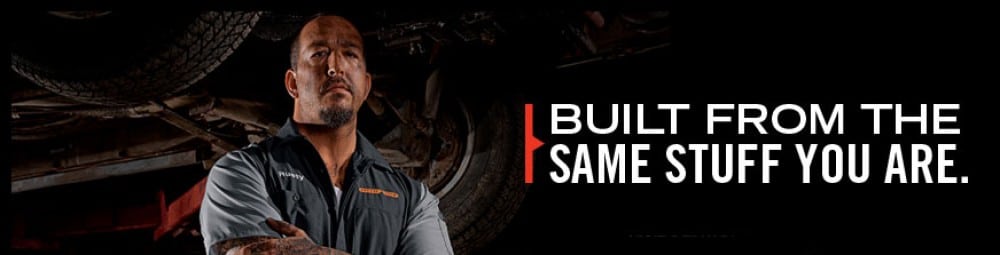

 Garage tested for durability and comfort, this shirt is loaded with features designed to make your job easier. Plus the diamond plate accents add a little bit of edge.


